Bathroom Tiles and Materials in Canberra
Choosing tiles for a Canberra bathroom is a decision about moisture, traffic and how much cleaning you will do, not only about how the room looks.
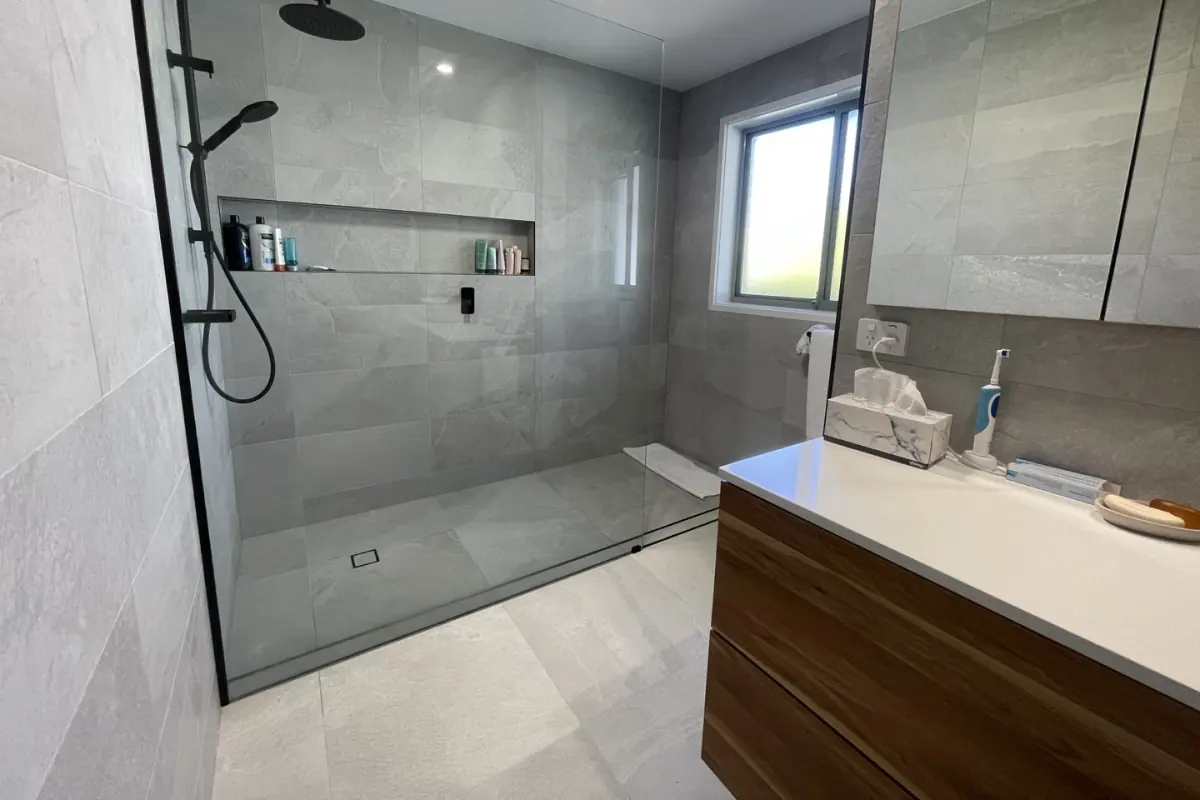
Tiling sets the tone of a bathroom and it also decides how the room performs - how durable it is, how it handles water and how much maintenance it asks of you. This guide runs through each material we work in, where it suits and where it does not, what it costs to lay, and how to narrow the choice for your own room.
What the climate here asks of a material
Canberra's cold winters and hot, dry summers mean a bathroom material has to be moisture resistant and able to take real temperature variation. Both matter. Moisture resistance is obvious in a wet room; temperature movement is what shows up years later as cracked grout or a lifted tile.
The second thing worth knowing before you shortlist anything: porcelain is cold underfoot. In a bathroom used on a frosty morning, that coolness is the difference between a floor people like and a floor people hop across. It is usually answered with underfloor heating, and it is much cheaper to decide that now than after the screed goes down.
Older brick houses across Belconnen, Woden and Tuggeranong bring a third consideration. Those bathrooms were tiled to an older standard, with grout that has long since given up, and when the old tiles come off the substrate underneath frequently needs work before anything new goes on.
Ceramic
Ceramic is the most popular tiling material because it is affordable and straightforward to install. With a proper glaze it resists water and moisture well, it comes in a wide range of colours, patterns and finishes, and it wipes clean.
It is less dense and cheaper than porcelain. That makes it versatile on walls and floors in low-to-moderate moisture areas, but less resistant to heavy wear and impact, and it can crack under a hard knock - so it is only right for a high-traffic floor at the proper thickness and quality. Ceramic is also used beyond tile, in benchtop surfaces, basins and baths.
Where you want warmth or softness underfoot - a children's bathroom, for instance - another material suits better.
Porcelain
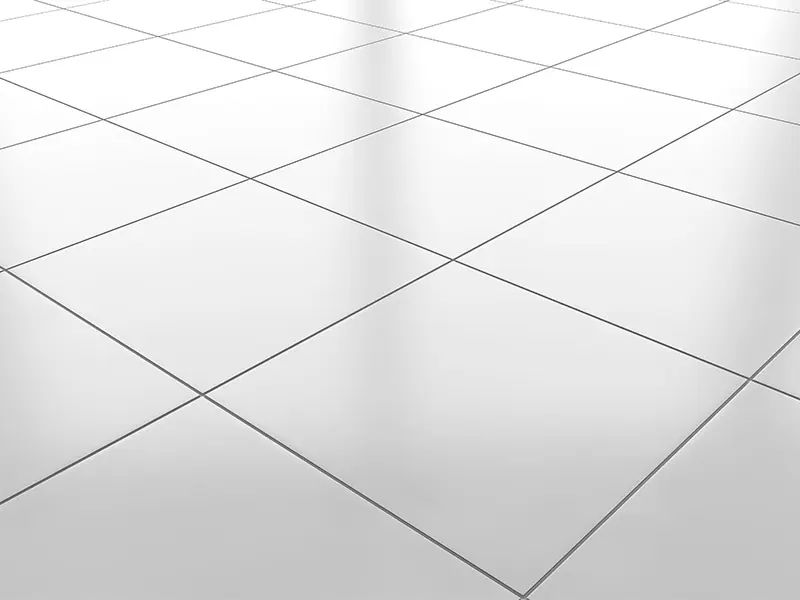
Porcelain is denser than ceramic and much less likely to absorb water or stains. That low porosity is the property that matters in a wet room, and it is why porcelain is the usual answer for floors, walls and shower surrounds, and for high-traffic areas generally.
It usually costs more than ceramic and lasts longer with proper care. It can convincingly mimic natural stone or timber without their upkeep, which is how most people get the look of a timber floor in a room that will be wet every day.
The trade-offs are real: it is cold underfoot as above, its hardness makes it difficult to cut and a poor candidate for DIY, and it is unforgiving on anything you drop.
Natural stone
Marble, granite, travertine, slate and limestone bring a look nothing else quite matches, and a range of patterns and colours that no two boxes repeat. Stone is very durable and, sealed, moisture resistant. It is also more expensive than the alternatives and more work to own.
The condition is sealing. Natural stone requires regular sealing to keep its resistance to moisture and stains. Porous types absorb water and soap without it, which stains them and eventually damages them - a genuine risk on a shower floor. In less wet areas, a vanity top or a splashback, stone gives you the elegance with relatively low maintenance.
Glass
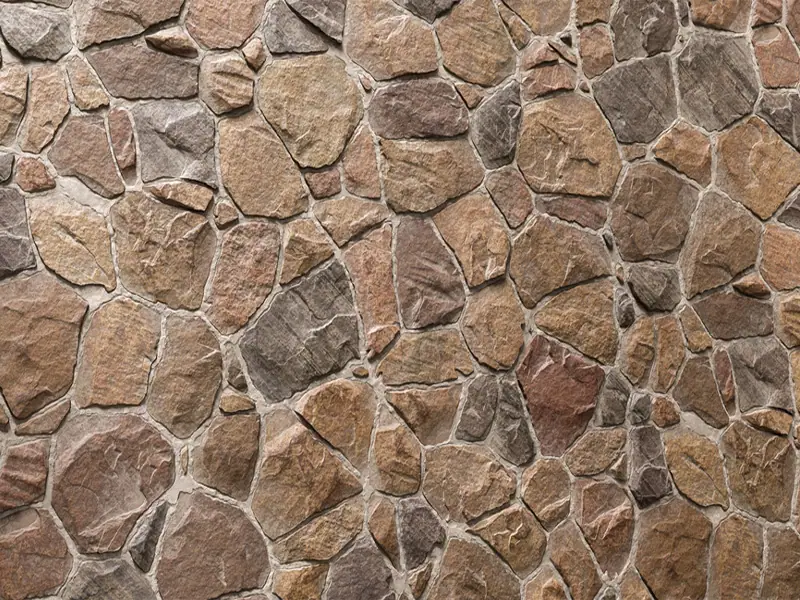
Glass tile is made from glass pieces set into a mortar bed, and it does two things well. It is non-porous, so it resists mould and mildew, and it is reflective, so it brightens a room and makes it look larger. The colour depth and clarity are not matched by other materials, and many glass tiles are made using recycled content, though that varies by product rather than being true of glass tile in general.
The catch is installation. Glass needs special cutting tools and real experience to avoid breakage, which is why it is the dearest of the common materials to lay. It is best used deliberately - a feature wall, a niche, a splashback - rather than across a whole room.
Mosaic
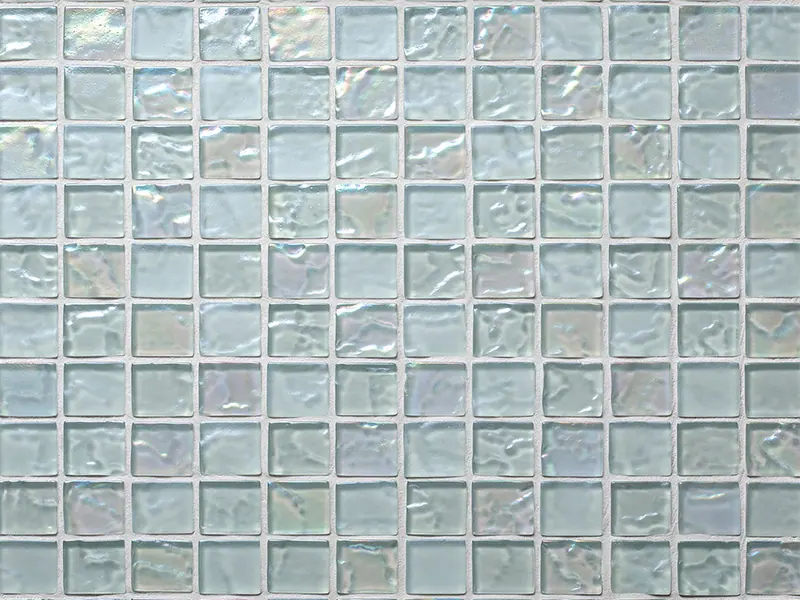
Mosaic combines small pieces of glass, ceramic or stone into a sheet, and it is the only material that adapts properly to curved surfaces and complex shapes. In glass, ceramic or porcelain it copes well with humid conditions, and the design range is effectively endless.
Two cautions, and the old advice on this is contradictory enough to be worth stating plainly. Mosaic works in a shower as a feature, and on a shower floor the small format genuinely helps the tiles follow the fall to the drain. It is a poor choice as a main floor: mosaic becomes slippery when wet, which rules it out in a family bathroom or a household with elderly residents, and the extensive grouting demands regular maintenance to prevent mould and mildew. If you want a low-maintenance bathroom, keep mosaic to a feature.
Engineered stone, and what goes on a benchtop instead
Engineered stone is quartz or similar minerals bound with resins, made to look like natural stone. It is a benchtop and cladding material rather than a tile, and it is on this page only to be ruled out.
Said plainly: engineered stone has been prohibited from supply and installation in Australia since 1 July 2024. That is a work-health-and-safety prohibition rather than a matter of taste, and it applies wherever you are, so nobody can lawfully cut you one.
What goes on a bathroom benchtop instead is natural stone, a porcelain slab, laminate, timber or a solid surface. The sealing rules on this page still apply: stone is sealed, porcelain and solid surface are not, and timber wants a finish it can keep.
The comparison at a glance
| Material | Best for | Watch out for |
|---|---|---|
| Ceramic | Walls and floors, low-to-moderate moisture, budget | Cracks under heavy impact; cold and hard underfoot |
| Porcelain | Floors, walls, shower surrounds, high traffic | Cold underfoot in winter; hard to cut; hard on dropped items |
| Natural stone | Vanity tops, splashbacks, feature areas | Needs regular sealing; porous types stain on a shower floor; cost |
| Glass | Feature walls, splashbacks, niches | Specialist cutting; the dearest to lay |
| Mosaic | Feature walls, niches, borders, shower floors | Slippery as a main floor; heavy grouting to maintain |
| Engineered stone | Not specified - prohibited in Australia from 1 July 2024 | Natural stone, porcelain slab, laminate, timber or solid surface on a benchtop instead |
What it costs to lay
Material price is only half the number. Labour differs by material because the work differs, and a cheap tile that is slow to lay can cost more installed than a dearer one that goes down quickly.
The rates we published in 2024 for installation in Canberra, excluding the cost of the tiles themselves, were:
- ceramic $60-$90 per square metre
- mosaic $100-$180 per square metre
- glass $150-$200 per square metre
Treat those as a guide to the relative cost, not a quote: every job is priced after a site inspection, because the substrate, the set-out and the access change the labour. Full renovation costs, including what tiles do to a total, are in our bathroom renovation cost guide.
Format and layout
The material decides performance; the format decides how the room reads.
- Large tiles with thin grout lines give a seamless look and make a smaller bathroom feel more open. Fewer joints also means less grout to clean.
- Subway tiles in ceramic or porcelain suit anything from modern to traditional, are easy to clean, and work either everywhere or as a single feature wall.
- Wood-look tiles are porcelain or ceramic that mimic timber - the warmth without the upkeep, in a wide range of colours and textures.
- Mosaic as a feature adds texture and depth to one wall, a niche or a shower floor.
- Three-dimensional tiles create an optical effect in geometric or wave patterns. Used on one wall they are striking; used everywhere they date quickly.
Smaller tiles read modern, larger tiles create the illusion of space, and the honest rule is to match the tile to the proportions of the room rather than to a photo of someone else's.
How to choose for your room
Work through it in this order:
- Moisture. Shower floor and walls first: non-porous or properly sealed, nothing else will do.
- Traffic and who uses the room. A family bathroom wants porcelain or ceramic for durability and easy care. Accessibility matters too - slip resistance, and a room that still works for everyone in it years from now.
- Maintenance you will actually do. Stone needs sealing and mosaic needs grout care. If that is not going to happen, choose differently now rather than regret it later.
- Look. By this point the shortlist is short, which is the point.
- Supply. Sourcing from local suppliers cuts transport, supports local trade and often reduces both cost and delay.
Adhesive and grout are part of this decision, not an afterthought. Grout choice follows the tile's size, shape and colour and the adhesive used, some adhesives are unsuitable for some tiles, and in a wet area none of it works without sound waterproofing underneath - see our waterproofing and ventilation guide. For floors specifically, including preparation and the signs an existing floor is finished, read our floor tiling guide. If you are still deciding on the overall look, start with choosing a bathroom design, and our completed projects show how these materials look in finished rooms.
Common questions
Which tile should go on a shower floor? A small format, so the tiles follow the fall to the drain: a mosaic sheet or a small porcelain tile. Keep porous natural stone off a shower floor, because it absorbs water and soap and it stains.
What does it cost to lay tiles in Canberra? On our published 2024 rates, ceramic was $60-$90 per square metre to lay, mosaic $100-$180 and glass $150-$200, all excluding the tiles themselves. Every job is priced after a site inspection.
Are mosaic tiles a good idea on a bathroom floor? As a shower floor or a feature they work well, because the small format follows the fall to the drain. As a main floor they are a poor choice - they get slippery when wet and the grout needs constant maintenance.
Do natural stone tiles need sealing? Yes, and regularly. Porous stone absorbs water and soap without a current seal, which stains it and eventually damages it, so it is a risk on a shower floor and a better fit on a vanity top or splashback.
Which tiles suit a bathroom that gets cold in winter? Porcelain is durable but cold underfoot, so pair it with underfloor heating if the room is used on frosty mornings. Timber-look porcelain reads warmer without changing the maintenance.
How do I match grout and adhesive to the tile? Pick the adhesive for the tile first, because some adhesives are wrong for some tiles and porcelain, glass and natural stone each want a different one. Then choose the grout to suit the tile's format and colour and the width of the joint it sits in.
Get your tiling quoted
Choose your room size and finishes in the instant quote designer and send the design to us, then we quote it after a site inspection. Bring your tile shortlist and we will tell you what it will cost to lay and whether it belongs where you want to put it. Ask for a fast free quote, or see the full scope of our tiling services and get in touch.
Written by Oleg Cha, owner of Apex Bathrooms ACT. Renovating Canberra bathrooms since 2008. Updated September 2026.