Services
Waterproofing Canberra
We waterproof wet areas for Canberra homeowners: bathrooms, laundries, balconies and basements, built to AS3740:2021, with the compliance certificate handed to you at the end.

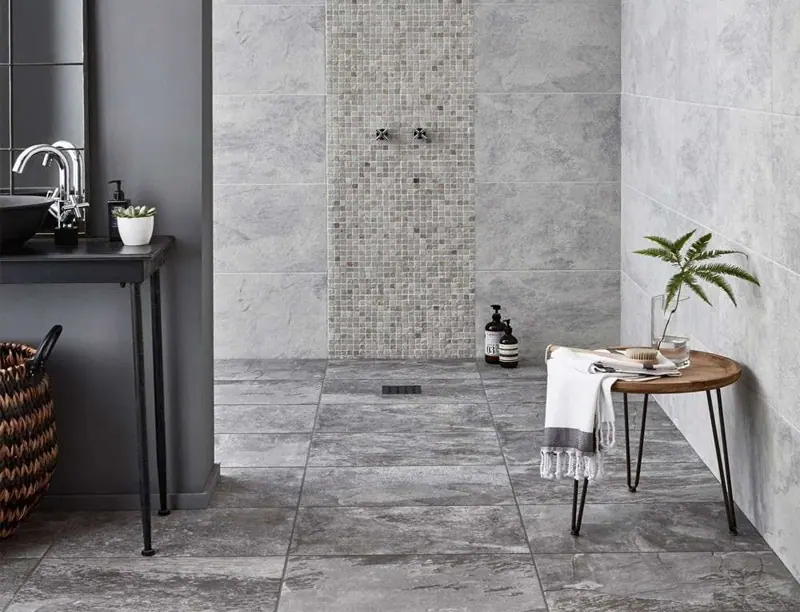
What waterproofing actually does
Waterproofing is the most effective way to prevent water from penetrating a surface. It keeps moisture out of the substrate, stops leakage reaching the structure behind the tiles, and holds off the mould growth and rot that follow. It is the part of a bathroom you never see and the part that decides how long the rest of it lasts.
Done properly it keeps the substrate sound, adds years to the concrete and the tiling laid over it, cuts what you spend on repairs, and protects the value of the house. Done badly, or skipped, it is the single most expensive failure in a bathroom - because fixing it means taking the tiles off again.
We waterproof walls, floors and ceilings in bathrooms, laundries, kitchens, balconies, decks, roofs and basements. Apex Bathrooms ACT has been doing this work since 2008.
When waterproofing is required
There are three situations, and it is worth knowing which one you are in.
When a wet area is being built or renovated. Every new or renovated bathroom, ensuite and laundry has to be waterproofed before it is tiled. This is not optional and it is not a matter of taste - it is a requirement of the National Construction Code, and the work is done to AS3740:2021.
When the existing system has failed. Peeling paint, musty odours, water stains, visible mould. Any one of those is a strong indication that the waterproofing has failed and needs attention now rather than at the next renovation. You can check all four this afternoon.
When the membrane has simply aged out. A great many homes here were built between the 1960s and the 1980s, and their original bathrooms predate the standard the work is now done to. If the room has never been touched, assume the waterproofing is at the end of its life, and get it looked at before you spend money on anything laid over the top of it.
How we do it
The sequence is fixed, because the standard fixes it.
- Prepare and moisture-test. The substrate is cleaned, made sound and checked for moisture, and a bond breaker goes into the junctions and around the penetrations so the membrane can move with the building instead of tearing. Anything loose or damp is dealt with before a drop of membrane goes on.
- Two coats, with the cure the standard requires. The membrane goes on in coats, and each one cures fully before the next. Nothing is tiled over a membrane that has not cured - that is the most expensive shortcut in the trade, and it is the one we will not take to save you a day.
- Inspection and certificate. A licensed waterproofer inspects the finished membrane and issues the compliance certificate. Tiling starts after that, not before.
Silicone sealing of the movement joints is a separate step later in the job, not something done on the same day as the grout. It looks like a detail; it is the joint that fails first when it is rushed.
The full sequence, coat by coat, with the heights and the cure times the standard sets, is in our guide to how a waterproofing membrane goes in and how to keep the room dry afterwards.
The compliance certificate
A licensed waterproofer must issue a compliance certificate for wet-area work, and tiling does not begin until it is in hand. It is a legal requirement under the National Construction Code, not a piece of paperwork we generate to look thorough.
You receive the certificate on completion, as part of the handover pack, along with your warranty documentation and the care instructions for the tiles, grout and silicone. Keep it. If you sell the house, it is the document that proves the room was done properly.
Why the calendar matters here
Membranes cure by drying, and cold, damp air slows that down. Through a Canberra winter the cure between coats takes longer than the minimum, so between April and September we build the extra time into the program instead of pushing the tiler on early. A job booked for September to December cures in the fastest weather of the year.
That is the honest answer to "why is the bathroom sitting there doing nothing this week". Our guide to how a renovation runs, week by week shows where the cure time sits in the schedule, and what else can stretch it.
Ventilation, and why the membrane depends on it
Waterproofing keeps water out of the structure; ventilation keeps it off the surfaces, so the membrane is never asked to do a job it was not built for. If mould keeps coming back on a ceiling that was repainted last year, the membrane is usually fine and the extraction is not. Fan sizing, the warning signs and what to do about them are in our guide to waterproofing and ventilation.
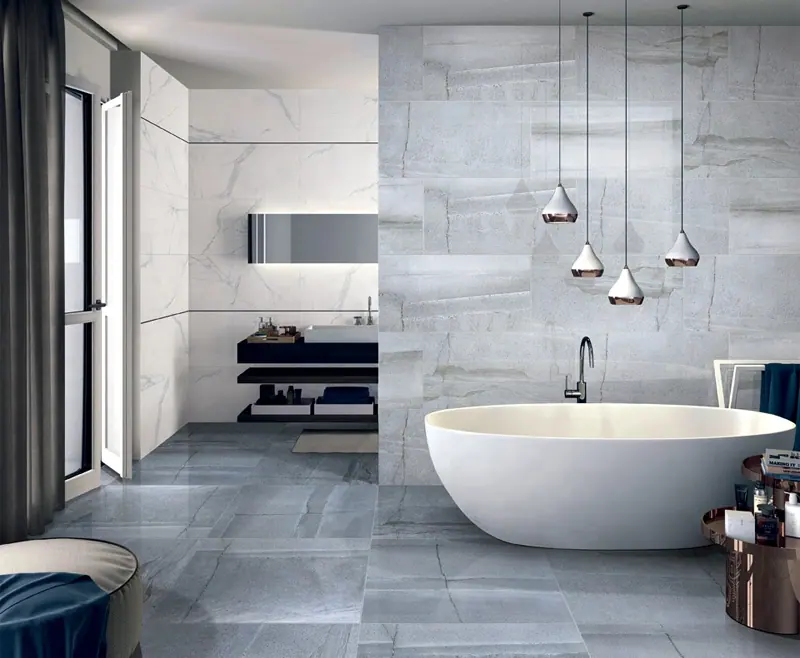
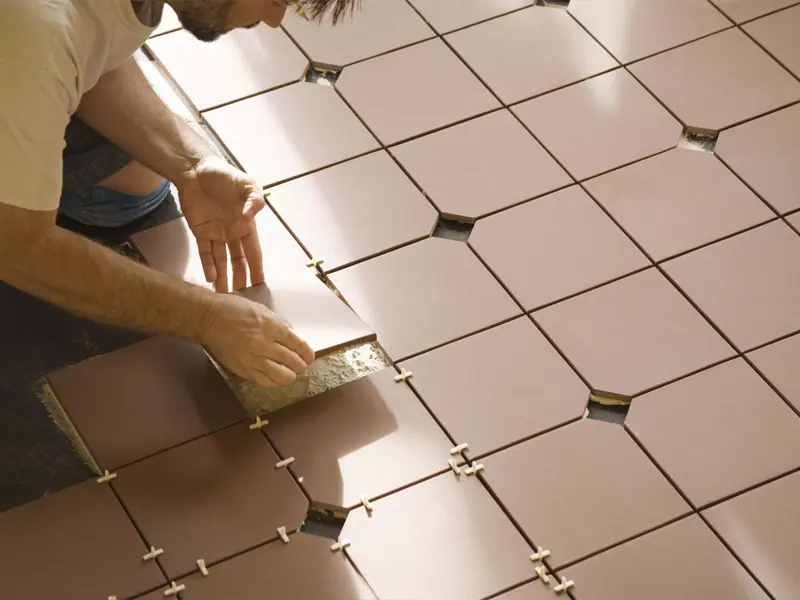
Where we work
We waterproof wet areas throughout Canberra and in Queanbeyan, in older homes across Belconnen, Tuggeranong, Woden and the Inner North where the original membrane has long since aged out, and in new builds in Gungahlin and Molonglo Valley.
All eight ACT districts plus Queanbeyan.
- Belconnen
- Gungahlin
- Inner North
- Inner South
- Woden Valley
- Weston Creek
- Molonglo Valley
- Tuggeranong
- Queanbeyan (NSW)
A/28 Lyell St, Fyshwick ACT 2609
Open in Google MapsQueanbeyan is in New South Wales, a different jurisdiction to the ACT for licensing and approvals. We work on both sides of the border. Our base is A/28 Lyell St, Fyshwick ACT 2609.
Frequently asked questions
When does a room need waterproofing?
Can you waterproof without taking the tiles off?
Do I get a compliance certificate?
Does winter change the schedule?
What warranty applies to waterproofing?
Book a look before it gets worse
If any of the four warning signs are in your bathroom now, ask for a fast free quote and we will come and look at it. If the waterproofing is part of a full room rebuild, build the room in the instant quote designer and send it through for an itemised quote after a site inspection. You can also see bathrooms we have waterproofed and tiled, or read what goes into a complete bathroom renovation and what happens when the tiles go back on.
Design your bathroom in 3D
Build the room from our catalogue, send it to us, and we come back with a written, itemised quote after we have seen the space in Canberra.