What's included in a Canberra bathroom renovation, and what isn't
When a Canberra renovator quotes your bathroom, this is what the price should cover, what is normally charged separately, and how to read the inclusions before you sign.
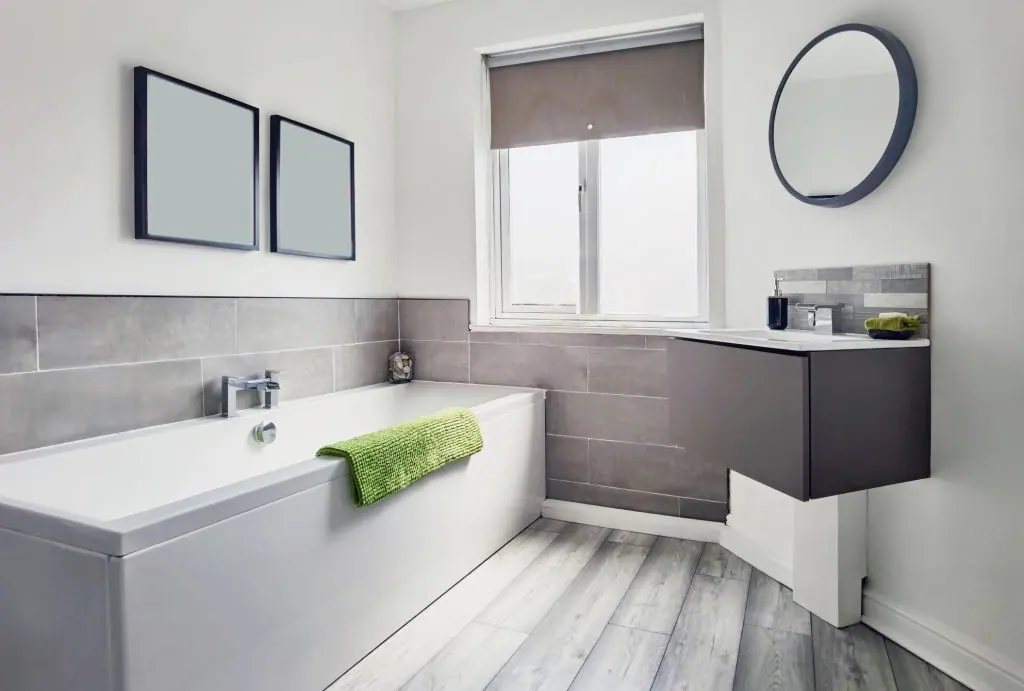
Two quotes for the same bathroom can differ by thousands and both be honest. The difference is almost always in what each one includes. This page is the line-by-line answer, so you can put the two sheets side by side and see where they part company.
What a full renovation covers
A complete scope of work has seven parts.
- Demolition and preparation - removing the old tiles, fixtures, vanity, toilet, shower screen and waterproofing membrane, taking the waste away, and inspecting the substrate before anything is rebuilt.
- Waterproofing - a membrane to AS3740:2021 on the shower walls, the shower floor and the floor-to-wall junctions, inspected and certified before tiling starts.
- Tiling - supply and installation of wall and floor tiles, including adhesive, grout, cutting, niches and any feature tile work.
- Plumbing - removing the old fixtures and installing the new shower mixer, tapware, toilet and vanity connections.
- Electrical - exhaust fan, lighting, heated towel rail and any underfloor heating wiring, always by a licensed electrician.
- Fixtures and fittings - shower screen, toilet suite, vanity and basin, tapware, towel rails, mirror and accessories.
- Painting, sealing and the final clean - ceiling and wall painting where required, silicone sealing of every wet-area joint, and a thorough clean-up.
The rest of this guide is what each of those seven actually means on site.
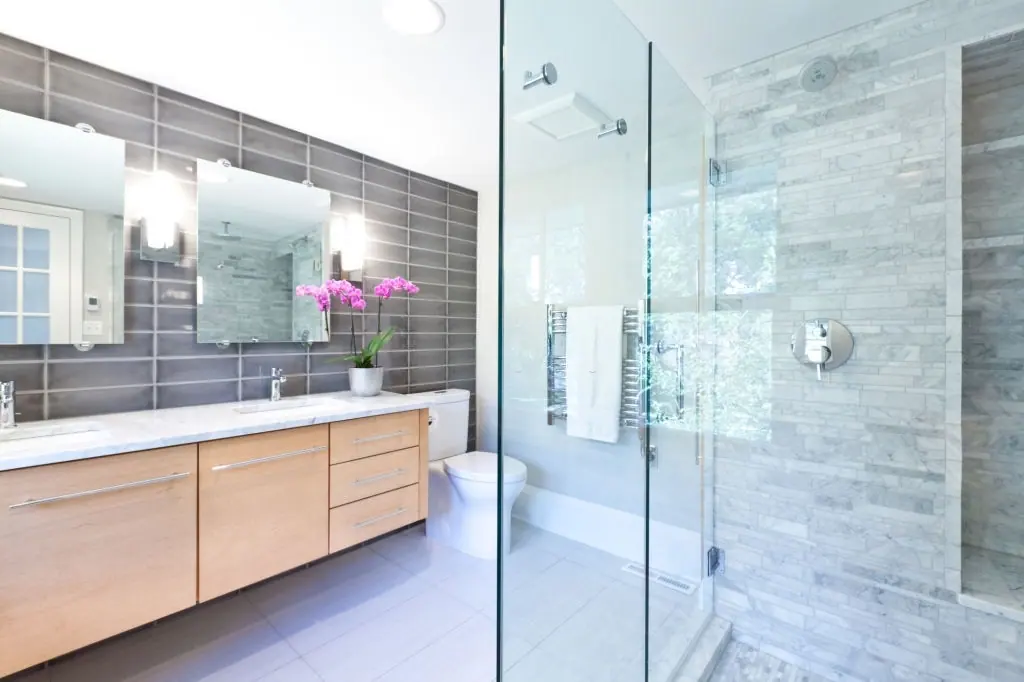
Demolition, and what the substrate reveals
This line covers three things.
- Protection. The floors, doorways and walls between the bathroom and the front door.
- Strip-out. Everything the new room replaces: tiles, vanity, toilet suite, screen, tapware, the old membrane, and any sheeting or substrate too damaged or non-compliant to build on.
- Removal. All of it taken off the site.
If waste and skip hire are not named in the quote, ask where they sit.
What follows is the most important inspection in the whole project. With the room bare, the substrate is checked and moisture tested, which is a mandatory step before a membrane goes on under AS3740:2021. Rotted subfloor, compromised plaster and old waterproofing that has been failing silently for years all show up here and nowhere else.
This is a local problem as much as a technical one. Older homes here often have compressed fibre cement sheeting, membranes applied with products that would not pass today, or subfloors that have taken water ingress over decades. In the ex-government houses and 1960s to 1980s brick homes in Belconnen, Tuggeranong, Woden and the Inner North it is a common finding rather than a rare one. What that means for your price is simple: the strip-out and the waste removal are in the quote, and repairing whatever is underneath is a variation, priced when it is exposed.
Waterproofing and the certificate
This is one line on the quote, and it should carry three things. The membrane system, named, applied to AS3740:2021. The area it covers, stated rather than implied: the shower walls, the full shower floor graded to the drain, and every floor-to-wall junction and penetration in the room. And the compliance certificate at the end of it.
The certificate is issued by a licensed waterproofer who inspects the finished membrane, and no tile goes down before it exists. It is a legal requirement under the National Construction Code rather than a courtesy, and it is yours to keep, because it is the document a buyer, a builder or an insurer will ask for years from now. The membrane sequence, the cure times and the ways waterproofing fails are set out in our guide to waterproofing and ventilation in a wet room. The same trade on balconies, roofs and basements is on our waterproofing service page.
The plumbing rough-in sits beside this line and should be visible on the quote. The shower mixer body, the waste fitting and the tap bodies all have to be in place before the membrane is finished, and sealing the penetrations they make is part of the waterproofing rather than an extra.
Tiling, grouting and sealing
Tiles are set out before any of them are fixed. The starting point, the set-out lines and the cut positions are confirmed first, to get the best visual result and to avoid small slivers of tile at visible edges.
Then the floor and walls are tiled, grout goes in with the cut tiles at the penetrations, edges and niches, and last of all the movement joints are sealed with silicone. That sealing is a separate trade step from grouting and is not done on the same day. Movement joints means every change of plane: the internal corners of the shower and the wall-to-floor junction.
Ceramic and porcelain are the usual choices in a bathroom, and tile size changes how the room reads: larger tiles make a small room look bigger, smaller tiles read as more contemporary. Large-format tiles at 600x1200mm or 800x1600mm, and patterns like herringbone or chevron, add set-out and cutting time, and the quote should say whether that time is in the price. If the tiles are the only thing wrong with your bathroom, re-tiling on its own is a legitimate smaller job - see our tiling services.
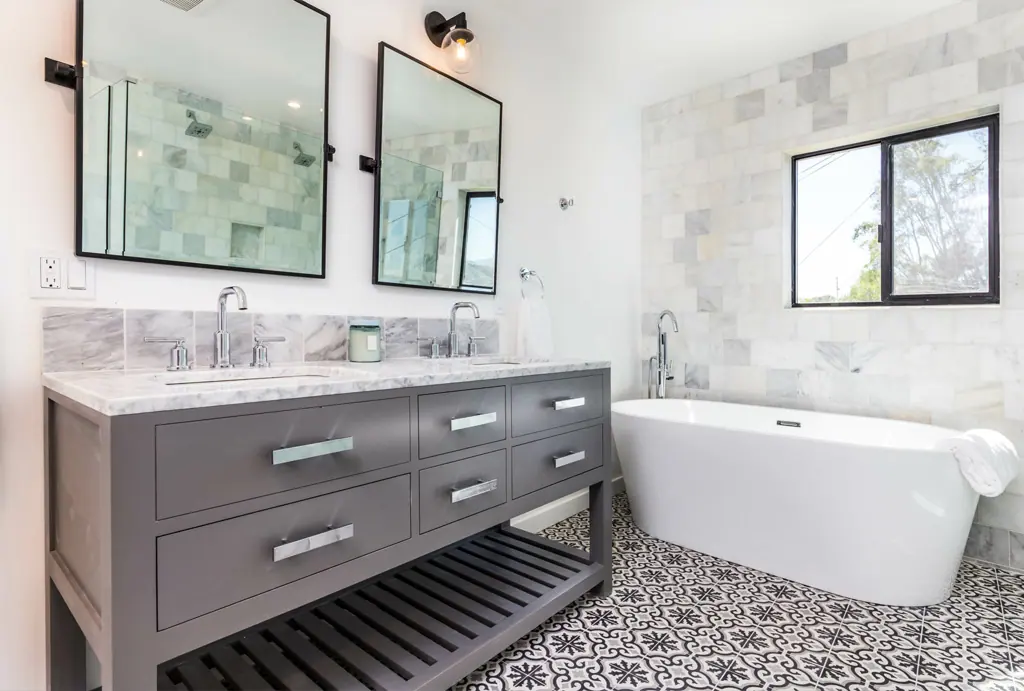
Plumbing, electrical, fixtures and handover
Two trades finish the room, and both belong on the quote as their own lines. Plumbing covers connecting and leak-testing the shower mixer, the tapware, the toilet suite and the vanity basin. Electrical covers the exhaust fan, the lighting, the heated towel rail and any underfloor heating, by a licensed electrician. Anything being moved rather than replaced where it stands is a separate line with its own price.
The shower screen is a glazier's item, measured only once the tiling is finished, which is why a frameless screen cannot arrive on the second-last day. Check which screen your quote has priced: semi-frameless and fully frameless look similar on a plan and are not the same money.
What closes the job is the snag list and the handover pack. Grout lines, silicone joints, fixture operation, screen alignment and tile finish are inspected and corrected first. Then the documents are yours: the waterproofing compliance certificate, the paperwork for our 10-year workmanship warranty, waterproofing included, the product warranties for every fixture, and the care instructions for tiles, grout and silicone. A standard renovation runs two to four weeks, four to six where plumbing moves; the week-by-week version is in how a bathroom renovation works.
What is usually not in the price
- Relocating plumbing. Keeping the toilet, shower and vanity where they are keeps the price contained. Moving any of them is priced separately, because in a slab-on-ground house it means cutting concrete. The figures are in our cost guide.
- Hidden substrate damage. Found at demolition, priced as a variation, and the reason to hold the contingency our cost guide sets out.
- Structural change. Moving a load-bearing wall or altering the footprint is outside a standard renovation and may need approval from the Territory Planning Authority - there are no local councils in the ACT. Most bathroom renovations need none, because internal work that changes nothing structural is exempt development.
- Custom joinery lead time. A bespoke vanity is a two to four week order, placed early so it lands after tiling.
- Asbestos. Bonded sheeting turns up behind wall tiles in older houses. How it is identified, who removes it and how it is priced is set out separately, and any renovator who has no answer to that question is the wrong renovator.
- Customer-supplied fixtures, the door and architraves, waste disposal permits and making good adjacent rooms are all worth asking about explicitly. They are small items that become arguments.
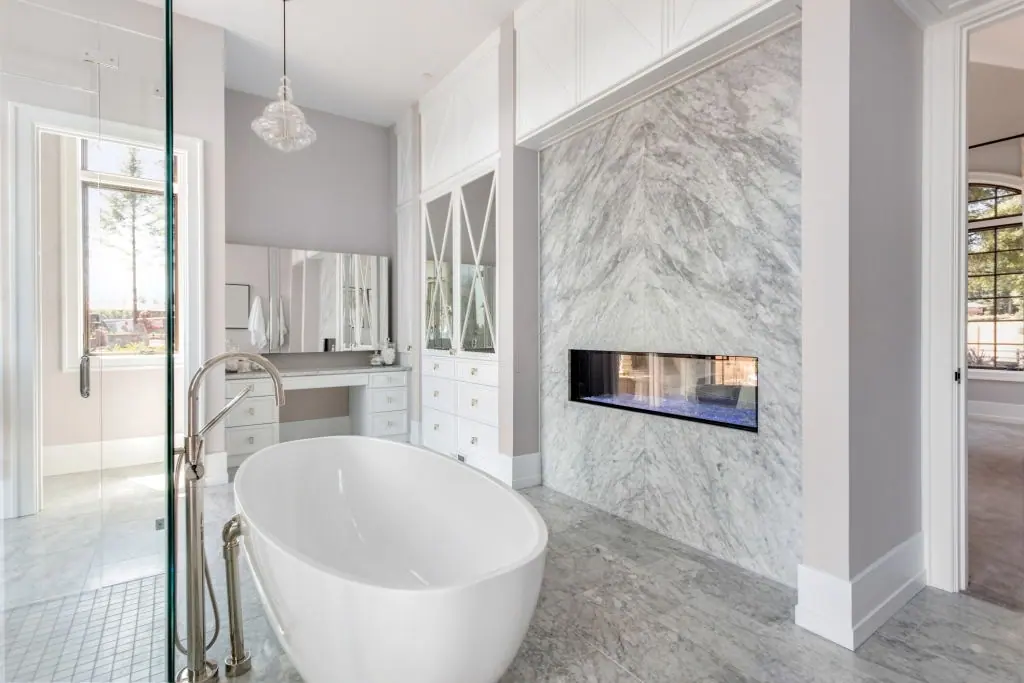
Prime Cost allowances, where two quotes stop being comparable
The seven parts above are the scope. The place two honest quotes diverge is the allowances hung off them. A Prime Cost allowance is a sum the renovator has set aside for something you have not chosen yet - the tiles, the vanity, the tapware, the screen - and it is a placeholder, not a price.
Read the allowance against what it has to buy. One that could not realistically buy quality tiles or a decent tapware set for a bathroom that size is not a saving; it is a variation you have not been told about yet. Ask what the allowance assumes, ask what happens to the difference if you spend under it, and get both answers written into the quote rather than into an email.
The full line-by-line checklist a quote has to itemise, and the red flags when it does not, are in how to choose a bathroom renovator. To see a finished job, look at the projects, named by suburb and room or the bathroom renovation service page.
Frequently asked questions
Are the tiles and fixtures included, or is that an allowance? The quote has to say which. Fixtures are either supplied by the contractor or carried as a Prime Cost allowance, and an allowance that is set too low becomes a variation later.
Who pays if the demolition finds rotted subfloor? Hidden damage is a variation, priced when it is found. The substrate is checked before the quote is final, which catches some of it, and a contingency covers the rest.
Is painting included? Ceiling and wall painting where required, silicone sealing of the wet-area joints and the final clean are part of a full renovation. Confirm whether the door and architraves are in the price.
Do I get the waterproofing certificate? Yes. A licensed waterproofer inspects the membrane and issues the compliance certificate, and it is handed to you at completion with the rest of the documents.
Can I supply my own vanity or tapware? Ask before you buy. Who supplies an item usually decides who carries the warranty if it fails.
Get an itemised quote for your bathroom
Use the instant quote designer to build your bathroom and send it to us, or ask for a fast free quote to book a site inspection. Every quote is written, itemised and given after we have seen the room.
Written by Oleg Cha, owner of Apex Bathrooms ACT. Renovating Canberra bathrooms since 2008. Updated September 2026.